Fence Fixes: How to Keep Dogs from Digging Under and Escaping
Aug 28th 2024
wp:paragraph
/wp:paragraph wp:paragraph
If you're struggling with a furry Houdini who loves to dig under your fence, there are several solutions for dogs digging under fence that can help you keep your canine safely contained:
/wp:paragraph wp:buttons {"layout":{"type":"flex","justifyContent":"left"}}
/wp:buttons wp:paragraph
/wp:paragraph wp:list {"ordered":true}
- Fill in existing holes
- Bury the bottom portion of the fence
- Attach wire to the bottom of the fence
- Pile gravel at the base of the fence
- Pour concrete at the base of the fence
- Dog-safe digging deterrents
- Provide a designated digging area
- Neuter or spay your dog
- Provide more physical exercise
- Eliminate your dog’s line-of-sight beyond the fence
/wp:list wp:paragraph
/wp:paragraph wp:paragraph
All pet owners know that dogs love to dig. Whether it’s for fun, hunting, or just because they’re bored, this natural instinct can lead to them escaping under the fence. At Pet Playgrounds, we've seen it all when it comes to escape artist dogs. If you're tired of constant repairs and worrying about your pet's safety, it's time to consider more effective solutions.
/wp:paragraph wp:paragraph
My name is Jason Levine, NREMT, and I've been involved with dog fencing solutions for years, both with Pet Playgrounds and through extensive fieldwork. Through these experiences, I've seen how non-electric dog fences can out-perform traditional methods, such as buried wires or chicken wire, in keeping your beloved pets safe and secure.
/wp:paragraph wp:paragraph
Let's explore the details of how you can put an end to your dog’s digging and escape attempts, ensuring their safety and your peace of mind.
/wp:paragraph wp:image

/wp:image wp:paragraph
/wp:paragraph wp:heading
Understanding Why Dogs Dig
/wp:heading wp:paragraph
Dogs dig for a variety of reasons, and understanding these motivations is key to finding effective solutions for dogs digging under fence. Here are some common reasons why your dog might be digging:
/wp:paragraph wp:heading {"level":3}
Anxiety
/wp:heading wp:paragraph
Dogs can experience anxiety for many reasons, such as loud noises, separation from their owners, or changes in their environment. An anxious dog might dig as a way to escape or to create a safe space. If your dog is anxious, providing a calm and secure environment can help reduce their digging behavior.
/wp:paragraph wp:heading {"level":3}
Boredom
/wp:heading wp:paragraph
Boredom is a major culprit behind many dogs' digging habits. Highly intelligent breeds, such as Border Collies and Poodles, need mental stimulation throughout the day. Without enough enrichment, these dogs might dig to entertain themselves. Engaging your dog with interactive toys, puzzles, and regular playtime can help curb this behavior.
/wp:paragraph wp:heading {"level":3}
Hunting Instincts
/wp:heading wp:paragraph
Some dogs have a strong prey drive, especially breeds like Terriers and Scent Hounds. They might dig to chase after small animals like squirrels or rabbits. If your dog is a natural hunter, providing alternative ways to satisfy their instincts, such as playing fetch or using scent-based games, can reduce their need to dig.
/wp:paragraph wp:heading {"level":3}
Temperature Regulation
/wp:heading wp:paragraph
Dogs dig to regulate their body temperature. In hot weather, they might dig to find a cool spot to lie in, whereas in cold weather, they might dig to create a warm den. Ensuring your dog has access to shade, fresh water, and a comfortable shelter can help keep them from digging to regulate their temperature.
/wp:paragraph wp:heading {"level":3}
Separation Anxiety
/wp:heading wp:paragraph
Dogs are social animals and can become distressed when left alone for long periods. This separation anxiety can lead to digging as they attempt to escape and find their owners. Providing your dog with plenty of companionship and gradually acclimating them to being alone can help alleviate this behavior.
/wp:paragraph wp:heading {"level":3}
Prey Drive
/wp:heading wp:paragraph
Certain breeds have a strong prey drive, which can lead them to dig in pursuit of small animals. Breeds like Beagles and Siberian Huskies are particularly prone to this behavior. Redirecting their energy through regular exercise and play can help reduce their digging tendencies.
/wp:paragraph wp:heading {"level":3}
Breed Tendencies
/wp:heading wp:paragraph
Some breeds are natural diggers. For example, Dachshunds and Jack Russell Terriers were bred to dig out burrowing animals. Understanding your dog's breed tendencies can help you tailor your approach to managing their digging behavior. Providing a designated digging area can satisfy their natural instincts without damaging your yard.
/wp:paragraph wp:paragraph
By understanding why your dog digs, you can implement the right strategies to address the root cause. Whether it's through more exercise, mental stimulation, or creating a comfortable environment, there are many ways to keep your dog happy and your yard intact.
/wp:paragraph wp:paragraph
Next, we'll explore various solutions for dogs digging under fence, including physical barriers, deterrents, and designated digging areas.
/wp:paragraph wp:heading
Solutions for Dogs Digging Under Fence
/wp:heading wp:heading {"level":3}
Physical Barriers
/wp:heading wp:paragraph
Burying Fence
One effective way to prevent your dog from digging under the fence is to bury the bottom portion of the fence panels. Digging a trench and burying the fence at least one to two feet deep can make it difficult for your dog to tunnel through. This method works well for various fence types, including wood and chain link.
/wp:paragraph wp:paragraph
Chicken Wire
Attaching chicken wire to the bottom of your fence can create an additional barrier that is tough for dogs to dig through. Bury the wire into the ground, anchoring it with stakes to ensure it stays in place. This method is affordable and relatively easy to install.
/wp:paragraph wp:paragraph
Gravel
Creating a gravel barrier at the base of your fence can also deter digging. Dogs find it uncomfortable to dig through large, rough gravel. Spread a layer of gravel about two feet wide along the fence line to keep your dog from getting close enough to dig.
/wp:paragraph wp:paragraph
Concrete
For a more permanent solution, consider pouring concrete at the base of your fence. While this method is highly effective, it can be costly and may alter the appearance of your yard. Concrete is impenetrable, ensuring your dog won't dig through it.
/wp:paragraph wp:paragraph
Wire Fencing
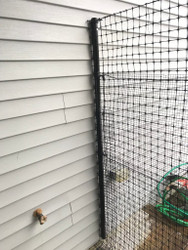
Another option is to use heavy-duty wire mesh, like the Dig Proofer System from Pet Playgrounds. This system features a black vinyl-coated galvanized welded steel wire mesh that forms a barrier on the ground leading up to your fence. It's staked into the ground with metal stakes, making it a robust solution that blends into the landscape over time.
/wp:paragraph wp:heading {"level":3}
Deterrents and Repellents
/wp:heading wp:paragraph
Capsicum Spray
Capsicum spray can be a powerful deterrent for dogs that dig. The spicy scent and taste discourage dogs from approaching the fence. However, be cautious as it can cause discomfort if it gets into the dog’s eyes.
/wp:paragraph wp:paragraph
Vinegar
Vinegar is a milder alternative to capsicum spray. Mix water and vinegar in a spray bottle and apply it around the fence line. The strong smell can deter dogs from digging without causing harm.
/wp:paragraph wp:paragraph
Cayenne Pepper
Sprinkling cayenne pepper around the fence line can also be an effective deterrent. The sharp scent and irritation discourage dogs from digging. Just be sure to use it sparingly and avoid areas where children might play.
/wp:paragraph wp:paragraph
Dog-Safe Deterrents
There are commercial dog-safe deterrent sprays available that can help keep your dog away from the fence. These products are designed to be safe for pets and won’t stain your fence.
/wp:paragraph wp:heading {"level":3}
Designated Digging Areas
/wp:heading wp:paragraph
Sandbox
Creating a sandbox for your dog can provide a designated area for digging. Fill it with playground sand and bury toys or treats to encourage your dog to dig there instead of under the fence.
/wp:paragraph wp:paragraph
Digging Pit
A digging pit is another option. Dig up a section of your yard and fill it with loose soil or sand. Train your dog to use this area for digging by hiding toys or treats in it.
/wp:paragraph wp:paragraph
Enrichment Activities
Providing enrichment activities can also redirect your dog’s digging behavior. Use toys, puzzles, and games that stimulate your dog's mind and keep them engaged.
/wp:paragraph wp:heading {"level":3}
Exercise and Mental Stimulation
/wp:heading wp:paragraph
Walks
Regular walks can help tire out your dog and reduce their urge to dig. Aim for at least one long walk each day.
/wp:paragraph wp:paragraph
Playtime
Interactive playtime can also help burn off excess energy. Use balls, Frisbees, or other toys to engage your dog in active play.
/wp:paragraph wp:paragraph
Interactive Toys
Interactive toys and puzzles can keep your dog mentally stimulated. These toys challenge your dog to think and can help reduce boredom-related digging.
/wp:paragraph wp:paragraph
Dog Daycare
Consider enrolling your dog in a dog daycare. This provides social interaction and physical exercise, which can help reduce digging behavior.
/wp:paragraph wp:paragraph
Social Interaction
Dogs are social animals and need interaction with their owners and other dogs. Regular playdates or visits to the dog park can provide the social stimulation they need.
/wp:paragraph wp:heading {"level":3}
Comfort and Shelter
/wp:heading wp:paragraph
Shade
Ensure your dog has access to shade in your yard. This can be provided by trees, shade sails, or a canopy. Shade helps keep your dog cool and comfortable, reducing the urge to dig for temperature regulation.
/wp:paragraph wp:paragraph
Dog House
A dog house can provide shelter from the elements. Make sure it’s well-ventilated and placed in a shaded area.
/wp:paragraph wp:paragraph
Heated Bed
In colder weather, a heated bed can provide warmth and comfort, reducing the need for your dog to dig a warm den.
/wp:paragraph wp:paragraph
Cooling Methods
In hot weather, provide cooling methods like a kiddie pool or cooling mats. This helps keep your dog comfortable and less likely to dig for a cooler spot.
/wp:paragraph wp:paragraph
By implementing these solutions for dogs digging under fence, you can create a safe and enjoyable environment for your furry friend while protecting your yard from damage. Next, we'll discuss alternative solutions and their drawbacks.
/wp:paragraph wp:heading
Alternative Solutions and Their Drawbacks
/wp:heading wp:heading {"level":3}
Electric and Hidden Fences
/wp:heading wp:paragraph
Electric fences, also known as E-Fences, and hidden fences are popular options for keeping dogs within a designated area. These systems use a combination of a transmitter, a wire buried along the fence line, and a special collar worn by the dog. When the dog approaches the boundary, the collar emits a warning beep, and if the dog continues, it delivers a mild electric stimulation.
/wp:paragraph wp:paragraph
Drawbacks of Electric and Hidden Fences:
/wp:paragraph wp:list
-
Potential for Physical Harm: While the stimulation is designed to be safe, some dogs may experience anxiety or fear, leading to behavioral issues. According to a study, dogs contained behind electric fences tend to become more reactive and aggressive.
-
Collar Malfunctions: The system relies on the collar functioning correctly. If the battery dies or the collar malfunctions, the fence becomes ineffective.
-
Power Outages: Electric fences are vulnerable to power outages. If the power goes out, the system fails, leaving your dog uncontained.
-
Training Required: Dogs need to be trained to understand the boundaries. This process can take time and may not be effective for all dogs, especially those with a high prey drive.
/wp:list wp:heading {"level":3}
Why Non-Electric Fences are Better
/wp:heading wp:paragraph
Non-electric fences, such as those provided by Pet Playgrounds, offer a more humane and reliable solution for preventing dogs from digging under fences. These fences use durable materials to create a physical barrier that keeps dogs safely contained without the need for electric shocks.
/wp:paragraph wp:paragraph
Benefits of Non-Electric Fences:
/wp:paragraph wp:list
-
Humane and Safe: Non-electric fences do not use electric shocks, making them a humane option. They eliminate the risk of causing anxiety or aggressive behavior in dogs.
-
Consistent Containment: Unlike electric fences that can fail due to power outages or collar issues, non-electric fences provide a consistent and reliable physical barrier.
-
Affordable: While the initial investment might be higher, non-electric fences save money in the long run. They require minimal maintenance and do not have the ongoing costs associated with replacing collar batteries or repairing technical malfunctions.
-
Unobtrusive: Non-electric fences from Pet Playgrounds are designed to be unobtrusive. They blend seamlessly with your landscape, preserving the aesthetic appeal of your yard.
-
Effective Dig Guard Protection: Pet Playgrounds’ non-electric fences feature a dig guard protection system. This is a layer of safe poly mesh installed on the surface of the ground and staked in place. Over time, it integrates with the earth, creating a natural barrier that prevents dogs from digging under the fence.
/wp:list wp:paragraph
Case Study:
/wp:paragraph wp:paragraph
Internet user "Internet guy" shared his experience with Dig Defence, stating it was the only solution that worked for his digging issues. He emphasized its effectiveness and ease of installation compared to concrete, highlighting the peace of mind it provided.
/wp:paragraph wp:paragraph
By choosing a non-electric dog fence, you ensure your dog’s safety and comfort while maintaining an attractive yard. Next, we’ll address frequently asked questions to help you make an informed decision.
/wp:paragraph wp:heading
Frequently Asked Questions about Solutions for Dogs Digging Under Fence
/wp:heading wp:heading {"level":3}
How do I stop my dog from digging under a fence?
/wp:heading wp:paragraph
Stopping your dog from digging under a fence can be challenging, but it's definitely achievable with the right strategies. Here are some effective methods:
/wp:paragraph wp:list {"ordered":true}
-
Install Physical Barriers: Burying a section of the fence or using wire fencing like Pet Playgrounds’ non-electric dog fences can create a solid barrier that prevents digging. Our fences feature a dig guard protection system—a layer of poly mesh that integrates with the ground to stop digging.
-
Use Deterrents: Spraying capsicum or vinegar around the fence can deter dogs from digging due to the unpleasant smell. Ensure any deterrent used is safe for pets.
-
Create a Designated Digging Area: Provide a sandbox or digging pit filled with sand and toys. This gives your dog a specific place to dig, reducing the likelihood of them digging elsewhere.
-
Increase Exercise and Mental Stimulation: Boredom often leads to digging. Regular walks, playtime, and interactive toys can keep your dog engaged and less likely to dig.
-
Supervise and Train: Supervise your dog while outside and redirect their behavior if they start digging. Consistent training and positive reinforcement can help them understand where digging is acceptable.
/wp:list wp:image

/wp:image wp:paragraph
/wp:paragraph wp:heading {"level":3}
What can I use to keep dogs from going under fence?
/wp:heading wp:paragraph
There are several effective materials and methods to keep dogs from going under fences:
/wp:paragraph wp:list {"ordered":true}
-
Wire Mesh: Use heavy-duty wire mesh, like the one in Pet Playgrounds' non-electric dog fences. This mesh is staked into the ground, creating a physical barrier that dogs can't dig through.
-
Landscaping Stones: Placing large rocks or landscaping stones along the fence line can deter digging. Dogs find it difficult to move these heavy objects.
-
Gravel or Concrete: Laying a gravel or concrete trench along the fence line can prevent dogs from digging. However, this can be more labor-intensive and less attractive than other options.
-
Chicken Wire: Burying chicken wire a few inches below the fence line can create an effective barrier. Fold the wire outward from the base of the fence to discourage digging.
-
Pet Playgrounds' Dig Guard Protection: Our non-electric fences come with a dig guard protection system that uses a layer of poly mesh. This mesh integrates with the earth over time, making it a natural and effective barrier against digging.
/wp:list wp:heading {"level":3}
How do you dog proof the bottom of a wooden fence?
/wp:heading wp:paragraph
Dog-proofing the bottom of a wooden fence involves several steps to ensure your dog can't dig under it:
/wp:paragraph wp:list {"ordered":true}
-
Install a Dig Guard: Use Pet Playgrounds' dig guard protection system. This involves installing a layer of poly mesh that is staked into the ground. Over time, it integrates with the earth, creating a natural barrier.
-
Use Heavy-Duty Staples: Secure wire mesh or chicken wire to the bottom of the wooden fence using heavy-duty staples. Ensure the mesh extends a few inches below the ground to prevent digging.
-
Add Landscaping Features: Place landscaping stones or gravel along the base of the fence. These elements make it difficult for dogs to dig near the fence line.
-
Bury the Fence: Dig a trench along the fence line and bury the bottom part of the fence a few inches deep. This physical barrier can effectively prevent digging.
-
Create a Barrier with Planter Boxes: Adding planter boxes along the fence line can keep dogs from reaching the bottom of the fence. Ensure the boxes are tall enough to prevent dogs from using them as a step to jump over the fence.
/wp:list wp:paragraph
By implementing these solutions, you can effectively prevent your dog from digging under and escaping from your wooden fence.
/wp:paragraph wp:image

/wp:image wp:paragraph
/wp:paragraph wp:paragraph
Next, we’ll conclude with some final thoughts on choosing the best solutions for keeping your dog safe and secure.
/wp:paragraph wp:heading
Conclusion
/wp:heading wp:paragraph
Keeping your dog safe and secure in your yard is essential for their well-being and your peace of mind. While there are many solutions for dogs digging under fences, not all are created equal.
/wp:paragraph wp:paragraph
Pet Playgrounds’ non-electric dog fence stands out as the most effective, humane, and affordable option. Unlike other methods that may involve harsh chemicals, complex installations, or unattractive barriers, our fences are designed to blend seamlessly with your yard while providing robust protection against digging.
/wp:paragraph wp:paragraph
Why choose Pet Playgrounds' non-electric dog fence?
/wp:paragraph wp:list
-
Effective: Our hybrid dog fence is designed with a unique dig guard protection system. This layer of poly mesh is staked into the ground and integrates with the earth over time, creating an impenetrable barrier that stops even the most determined diggers.
-
Humane: Unlike electric fences that use shocks to deter your dog, our fences provide a safe and gentle solution. Your dog won't experience any discomfort, just a physical barrier that they cannot dig through or climb over.
-
Affordable: Compared to traditional fencing options like chain link or wood, our non-electric dog fences are cost-effective. At approximately $9 per linear foot, including installation, you'll save money without compromising on quality or effectiveness.
-
Safe: Our fences are built to last, with materials that withstand weather and wear. They also eliminate the risk of injury from sharp objects or harmful chemicals, ensuring your dog's safety at all times.
/wp:list wp:paragraph
Investing in a Pet Playgrounds non-electric dog fence means choosing a solution that works for both you and your furry friend.
/wp:paragraph wp:paragraph
Ready to keep your dog safe and happy? Buy your Pet Playgrounds dog fence kit today.
/wp:paragraph wp:paragraph
By implementing the right strategies and choosing the best products, you can enjoy peace of mind knowing your dog is secure and content in your yard. Let's keep our furry friends safe, one fence at a time.
/wp:paragraph wp:paragraph
/wp:paragraph
Get Your Custom Dog Fence