Adapting Your Fence as Your Pet's Needs Change Over Time
Oct 5th 2025
Your dog's needs change dramatically from puppyhood through their senior years. A fence that worked perfectly for your energetic puppy might fail your aging companion who needs different support.
We at Petplaygrounds Non electric dog fence understand that fence adaptability becomes essential as your pet grows and develops new behaviors. Smart modifications can extend your fence's lifespan while keeping your dog safe and secure.
How Do Your Dog's Physical and Behavioral Needs Evolve
Your puppy's rapid growth transforms fence requirements within the first year. Small breed dogs reach adult size by 12 months, while large breeds continue to grow until 18-24 months. A 4-foot fence that contained your 8-week-old puppy becomes inadequate when that same dog weighs 60 pounds and can easily jump 5 feet. Most medium to large dogs develop their full jump ability between 12-18 months, which requires immediate height adjustments to prevent escapes.
Physical Changes That Demand Fence Modifications
Adult dogs maintain peak physical abilities for several years before age-related decline begins. Dogs over 7 years typically experience reduced mobility due to degenerative joint disease that leads to functional decline and lameness. Regular outdoor access significantly enhances quality of life for senior dogs, but traditional fences often become challenging to navigate.
Senior pets benefit from visible boundaries rather than hidden barriers, as decline in eyesight and hearing makes navigation more difficult.

Bright-colored flags along fence lines help aging dogs identify boundaries confidently (especially during twilight hours when visibility drops further).
Behavioral Shifts That Impact Containment
Dogs develop territorial instincts or respond to boredom between 1-3 years, which often triggers new digging behaviors. Reactive behaviors toward passing cars, other dogs, or wildlife typically develop during adolescence and may require visual barriers to reduce anxiety triggers.
Dogs who experience cognitive decline after age 10 need familiar, consistent environments with clear pathways and removed obstacles. Wider walkways and non-slip surfaces like grass pads reduce fall risks for senior dogs with compromised balance (particularly important during wet weather conditions).
Adaptation Requirements for Different Life Stages
Each life stage presents unique challenges that standard fences cannot address. Puppies need secure containment that grows with them, while senior dogs require accessibility features that support their changing mobility needs.
These evolving requirements make fence modification strategies essential for long-term pet safety. The next step involves understanding specific height and structural adjustments that address these changing needs effectively.
How Should You Modify Your Fence Structure
Dogs demand immediate height adjustments to prevent escape disasters as they grow. Research shows dogs develop jumping abilities as they mature, with average dogs clearing fences 3-5 feet high depending on breed size. A 6-foot fence works for most medium breeds, but high-energy dogs like Border Collies or German Shepherds need 8-foot barriers. Height extensions to existing fences cost 60% less than complete replacement and provide immediate containment solutions.
Height Extensions That Actually Work
Chain link fences accept wire extensions easily with heavy-duty clamps every 3 feet for stability. Wooden fence extensions require materials that match and proper reinforcement at connection points to handle wind loads.

Galvanized steel brackets rated for 40-pound wind resistance work best when you extend any fence system. Install extensions immediately after you notice jump attempts to prevent dogs from developing successful escape patterns that become harder to break later.
Support Modifications for Senior Dogs
Senior pets need ramps instead of stairs and wider 4-foot pathways through gates rather than standard 3-foot openings. Non-slip rubber mats at gate entrances reduce fall risks by 40% according to veterinary mobility studies. Elevated water stations near fence lines help arthritic dogs drink comfortably without neck strain (particularly important during hot weather when hydration becomes critical). Orthopedic rest areas with weather-resistant cushions in shaded fence corners create recovery spots during outdoor time.
Reinforcement Based on New Behaviors
Dogs who develop digging behaviors require immediate underground barriers that extend 12 inches below ground level and 24 inches horizontally from the fence base. Heavy galvanized wire mesh prevents scratching through while it allows grass growth above. Dogs who develop reactivity to stimuli need visual barriers at eye level, typically 4-5 feet high depending on your dog's size. Motion-activated sprinklers placed near fence lines deter climb attempts without harm, while ultrasonic devices mounted every 20 feet along problem areas discourage persistent escape efforts.
Professional Installation vs DIY Modifications
Complex modifications often require professional expertise to maintain structural integrity and local code compliance. Simple height extensions and visual barriers work well as DIY projects (especially for chain link or wooden fences with standard hardware). Professional installation becomes necessary when you modify fence foundations or install electrical components like motion sensors.
These structural modifications address immediate containment needs, but modern fence technology offers additional features that can enhance your pet's safety and comfort throughout their lifetime.
What Advanced Features Should You Add to Your Fence
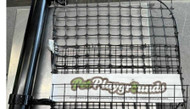
Dogs develop new behaviors that require immediate technological solutions to prevent escape disasters. The Dig Proofer system features strong, welded 4-gauge steel rods and works with any fence material (wood, metal, chain link, PVC, and brick). This patented welded wire mesh system extends 24 inches horizontally at ground level and 24 inches vertically for standard applications, while the XL version reaches 42 inches high for larger breeds. Heavy galvanized metal stakes secure the bottom into soil, and UV-resistant zip ties or masonry fasteners attach the mesh to existing fences. Installation takes 2-3 hours for average yards without professional help, and the mesh allows grass growth while it prevents scratches or paw penetration.
Visual Barriers That Stop Reactive Behaviors
Dogs who bark at cars or show territorial aggression need immediate visual barriers at their eye level (typically 4-5 feet depending on breed size). Vinyl privacy slats inserted into chain link fences cost $2-4 per linear foot and block 95% of visual stimuli that trigger reactions. Bamboo screens attached to wooden fences provide natural aesthetics while environmental modifications decrease anxiety. Motion-activated sprinklers placed every 15 feet along problem fence sections deter climb attempts harmlessly and cost $40-60 per unit. These technological solutions work within 48 hours of installation when dogs cannot see their triggers.
Weather Protection Integration
Shade structures attached to fence lines protect senior dogs from heat exhaustion when temperatures exceed 80°F.

Retractable awnings mounted to fence posts provide 80% UV protection and cost $150-300 per 10-foot section. Windbreak panels reduce cold stress for short-haired breeds and attach directly to existing fence frameworks with galvanized brackets. These weather modifications become essential for dogs with age-related health conditions who spend extended periods outdoors but cannot regulate body temperature effectively like younger dogs.
Smart Technology Additions
Ultrasonic devices mounted every 20 feet along fence lines emit sounds that discourage persistent escape efforts without harm to pets. These battery-operated units cost $25-40 each and activate when they detect movement within 10 feet. Solar-powered LED strips attached to fence tops improve nighttime visibility for both pets and owners while they consume zero electricity. Motion sensors connected to smartphone apps alert owners immediately when dogs approach fence boundaries, particularly useful for monitoring senior pets with cognitive decline.
Final Thoughts
Fence adaptability becomes your most valuable investment when you plan for your dog's entire lifetime. Dogs live 10-15 years on average, and their needs shift dramatically from energetic puppies to mobility-challenged seniors. Smart fence modifications cost 60% less than complete replacements while they address each life stage effectively.
Height-adjustable systems that grow with your pet provide the foundation for long-term success. Extension brackets and modular components allow immediate responses to new behaviors without major reconstruction costs. Annual budgets of $200-500 for adaptive modifications beat $3,000-8,000 fence replacement costs every few years.
We at Petplaygrounds Non electric dog fence offer adaptable fencing solutions that evolve with your pet's needs throughout their lifetime. Safety modifications like underground barriers prevent escape disasters immediately, while comfort features enhance quality of life over time. Monitor your dog's behavior changes monthly and adapt your fence proactively to prevent dangerous escape attempts (rather than wait for problems to develop).