Why Your Pet Fence Should Complement, Not Clash with Nature
Jan 1st 2026
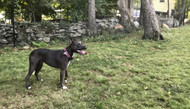
Most dog owners choose fencing based on what keeps their pet contained, ignoring how it affects the yard itself. At Petplaygrounds Non electric dog fence, we believe landscape harmony matters just as much as security.
The right fence works with your natural surroundings instead of against them. This guide shows you how to select materials and designs that protect your dog while enhancing your property's beauty.
How Fencing Shapes Your Yard's Health
Positioning Fences to Protect Trees and Soil
A fence is far more than a boundary-it's a permanent structure that redirects water, blocks sunlight, and fragments your yard into separate zones. Poor fence placement destroys drainage patterns and kills vegetation that took years to establish. The fence line you choose today determines what grows and what dies in your yard for the next two decades.
Solid wood or vinyl barriers create rain shadow zones where soil stays permanently dry. Improper grading around fence posts channels water into low spots that become muddy traps for your dog. Trees planted within three feet of a fence line experience root restriction and reduced access to water, often declining visibly within five years.
Position fencing at least four feet away from mature trees and vegetation you want to preserve. This gap allows roots to expand and water to flow naturally. For new planting along your fence line, choose native species that tolerate partial shade and compacted soil-these adapt faster than ornamental plants and provide habitat corridors for small wildlife moving through your yard.
Managing Water Flow and Ground-Level Access
Drainage patterns require deliberate attention during installation. Sloped terrain becomes problematic when a fence runs perpendicular to natural water flow, creating pooling on the uphill side and erosion on the downhill side. Install fence posts with slight grading adjustments so water moves along the fence line rather than against it.
Ground-level gaps between fence sections and the soil are non-negotiable-they allow toads, small mammals, and beneficial insects to move between areas while maintaining your dog's containment. A minimum 16-inch clearance between the lowest horizontal beam and the ground lets wildlife pass without compromising security.

Selecting Materials That Last and Protect Soil
Composite fencing offers significant advantages because it resists rot from constant moisture exposure, lasting 20–30 years compared to wood fences requiring replacement every 10–20 years. Composite materials combining recycled wood fibers and plastic minimize maintenance, meaning fewer replacements and less environmental disruption to your yard's soil structure over time.
When selecting materials, non-toxic finishes matter-avoid pressure-treated wood and opt for cedar, redwood, or recycled plastics with powder-coat finishes that don't leach harmful chemicals into soil as they weather. These choices protect both your landscape and the small creatures that depend on healthy soil to thrive. The materials you select today directly influence whether your yard remains a living ecosystem or becomes an inert, lifeless zone around your dog's containment area.
Materials That Work With Your Yard
Mesh Versus Solid Barriers: Choosing the Right Approach
Mesh fencing and traditional wood or metal barriers serve fundamentally different purposes, and your choice shapes how your yard functions for the next decade. Mesh systems like poly-reinforced fencing allow water and light to pass through, maintaining the natural drainage patterns and vegetation growth we discussed earlier. Solid wood or vinyl blocks both, creating those problematic rain shadow zones. However, mesh alone won't satisfy every dog owner-some need privacy from neighbors or want to block distracting sightlines that trigger escape attempts. The real decision isn't about picking one material universally; it's about matching the material to each section of your yard.
A mesh system along the back preserves your drainage and lets wildlife move through, while a solid fence on the street-facing side provides privacy and reduces visual stimulus for anxious dogs. This hybrid approach works because it addresses specific yard challenges rather than applying a one-size-fits-all solution.
Durability and Long-Term Environmental Impact
Composite fences often last 25-30 years, meaning you'll replace it once in your dog's lifetime instead of every decade. Recycled plastic fencing resists rot completely, eliminating the maintenance burden of wood that requires staining, sealing, and eventual replacement. Bamboo, if responsibly sourced, sequesters 6 to 13 metric tons of carbon per hectare annually, making it genuinely carbon-negative over its lifespan.
These durable materials reduce your environmental footprint because fewer replacements mean less material waste and less yard disruption. The longer a fence stands without replacement, the less environmental damage occurs to your landscape. Investing in quality materials upfront prevents the cycle of repairs and replacements that cheaper options create.
Non-Toxic Finishes Protect Your Landscape
Non-toxic finishes matter more than people realize-pressure-treated wood leaches chemicals into soil for years after installation, while powder-coated metal and untreated cedar protect both your landscape and the insects and microorganisms that keep soil alive. These finishes prevent toxins from contaminating the ground where your dog plays and where beneficial creatures thrive.
Choosing safe materials demonstrates that fence installation doesn't have to harm the ecosystem you're trying to preserve. Your material selection directly influences whether soil remains biologically active or becomes chemically compromised.
Building a Hybrid Strategy for Maximum Benefit
The lowest-maintenance approach combines recycled plastic or composite materials with mesh panels in wildlife corridors and solid sections only where you need privacy or containment reinforcement. This hybrid strategy costs more upfront but eliminates the cycle of repairs, replacements, and environmental damage that cheaper single-material fences create over time.

Once you've selected materials that align with your yard's natural systems, the next step involves designing the actual layout of your dog's space. How you position zones within your fenced area determines whether your dog gets adequate exercise, rest, and mental stimulation while your property maintains its visual appeal and ecological function.
Designing Your Fenced Yard for Maximum Dog Freedom and Landscape Health
Your fenced area should work harder than most dog owners realize. The space inside your fence isn't just containment-it's an opportunity to create distinct zones that give your dog mental stimulation while preserving the landscape features that make your property valuable. Dogs need separation between high-energy play areas and quiet rest spots, just like humans need different rooms in a house. A 30-by-40-foot fenced yard should dedicate roughly 40 percent to active play, 30 percent to rest areas under shade, and 30 percent to movement corridors that let your dog patrol without wearing ruts into the lawn. This distribution prevents the common problem where dogs create muddy dead zones through repeatedly running the same paths.

Native Grasses Outperform Standard Lawn Under Dog Traffic
Standard lawn grass fails under dog traffic, creating bare patches that become mud during rain. Native grasses, particularly those suited to your region, tolerate dog activity far better than ornamental varieties. Kentucky bluegrass and tall fescue recover faster from repeated running and digging than typical turf mixtures. These species also require less maintenance and water, which means less chemical runoff into your landscape. Dogs often prefer indigenous grasses for grazing, which provides natural fiber and aids digestion-an unexpected benefit when you align your yard design with what dogs instinctively seek. If your yard experiences heavy digging, place hardy ground covers like clover in designated dig zones rather than fighting the behavior. Clover tolerates repeated disturbance and actually improves soil nitrogen, turning a destructive habit into something that enhances your landscape over time.
Hardscape Materials Protect Soil and Reduce Mud
Gravel and pea stone work well for high-traffic areas near gates and water bowls, creating clean zones that don't turn to mud while allowing water drainage. However, avoid small pea gravel that dogs might ingest-use larger stone that can't lodge in their mouths. Permeable pavers work better in rest areas where your dog spends extended time, as they reduce joint stress on older dogs. A small dog-friendly pond with durable concrete or bitumen lining gives your dog a natural water source for cooling and drinking, though you'll need reinforced edges that withstand constant dog activity. The pond also provides wildlife habitat, creating the ecosystem balance we discussed earlier. Position any water feature away from your primary play zone so mud doesn't spread across the entire fenced area.
Protect Trees and Vegetation From Dog Damage
Trees within your fence require protection from bark stripping and root damage-a simple PVC pipe collar around the base keeps dogs from destroying decades-old growth. This barrier costs little but prevents the loss of mature trees that provide shade, privacy, and wildlife habitat. Strategic tree placement within your fenced yard creates natural divisions between zones without requiring additional fencing or hardscape. Vegetation barriers also reduce the visual monotony of a completely open fenced space, making your yard feel larger and more intentional. When you protect existing trees, you preserve the landscape character that makes your property valuable while giving your dog a more interesting environment to explore.
Final Thoughts
The fence you install today shapes your yard's future for decades. A nature-friendly approach doesn't sacrifice security or aesthetics-it recognizes that landscape harmony protects your dog while preserving the property value you've worked to build. Composite and recycled materials eliminate the replacement cycle that drains your budget and disrupts your landscape repeatedly, while native grasses and strategic tree placement reduce maintenance and give your dog a more stimulating environment.
A well-designed fenced yard transforms your dog's daily life into a private sanctuary where he runs, digs, and explores without traffic stress or escape attempts. Your landscape remains biologically active through ground-level gaps and permeable surfaces that allow beneficial creatures to move through your property, strengthening the ecosystem that supports healthy soil and vegetation. Potential buyers recognize that thoughtful fencing increases home value rather than detracting from it, seeing a property that balances functionality with natural beauty.
At Petplaygrounds Non electric dog fence, we understand that the right containment system adapts to your existing landscape instead of fighting it. Our non-electric fencing uses Bitter Pro-infused poly mesh and steel cable rails with dig guard and anti-climb design, providing security without the visual harshness of traditional barriers. Explore how Petplaygrounds Non electric dog fence can transform your yard into a space where your dog's safety and your landscape's health work together.