Pet Playgrounds™ Dog Fence
Pet Playgrounds™ Dog Fences for Outdoor Use
Our Pet Playgrounds™ dog fence is designed to last for up to 25 years while preventing your dog from digging, jumping, or chewing their way through the fencing. Suitable for dogs of any size, our backyard dog fence provides your pup a safe place to play in an attractive and easy-to-install design that blends almost invisibly with your landscape to preserve your view.
Choose Your Dog Fence Kit
Multi-Layer Poly/Metal Dog Fence Kits
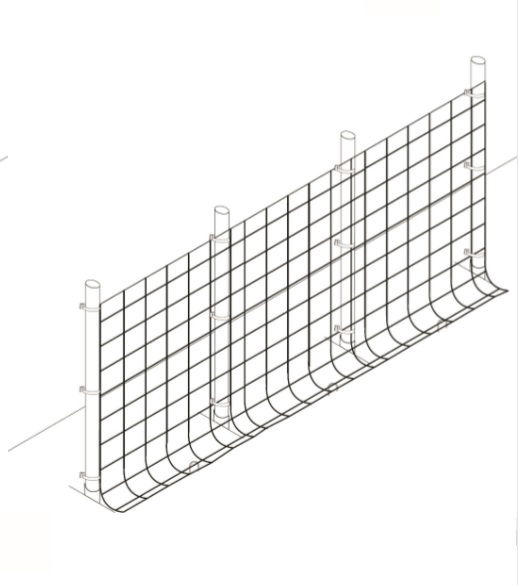
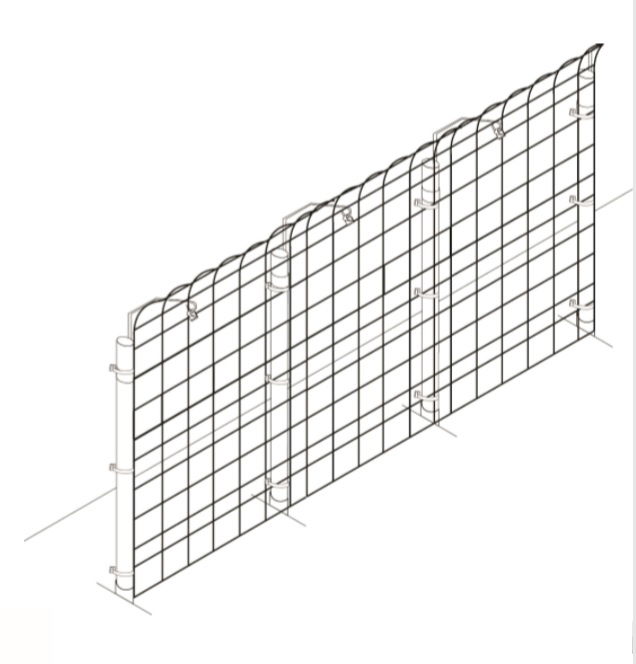
Our original, best-selling Pet Playgrounds™ dog fence kits, available in a variety of heights, lengths, strengths, and configurations to meet your needs. These complete fence kits feature polypropylene fence mesh, which is incredibly strong, flexible, and difficult for even the most crafty canines to climb. This is combined with layers of various mesh opening sizes in our metal mesh. Add-ons include access gates, corner/end posts with bracing, and more!
Get Started ›
Single or Multi-Layer All Metal Dog Fence Kits
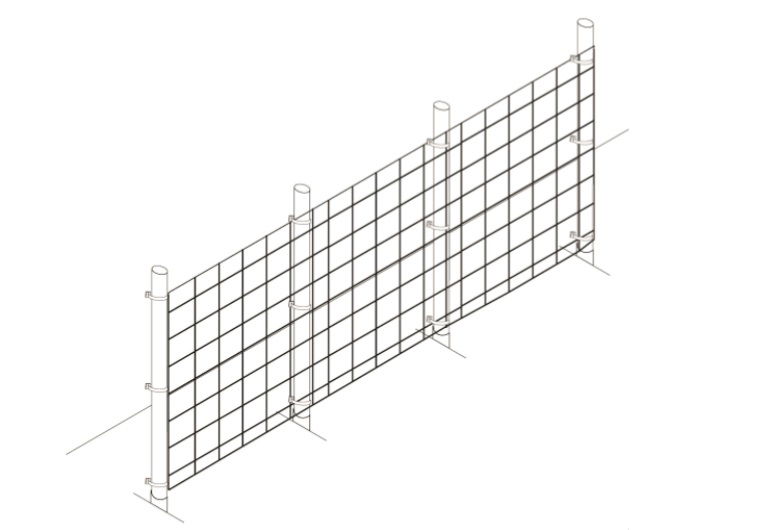
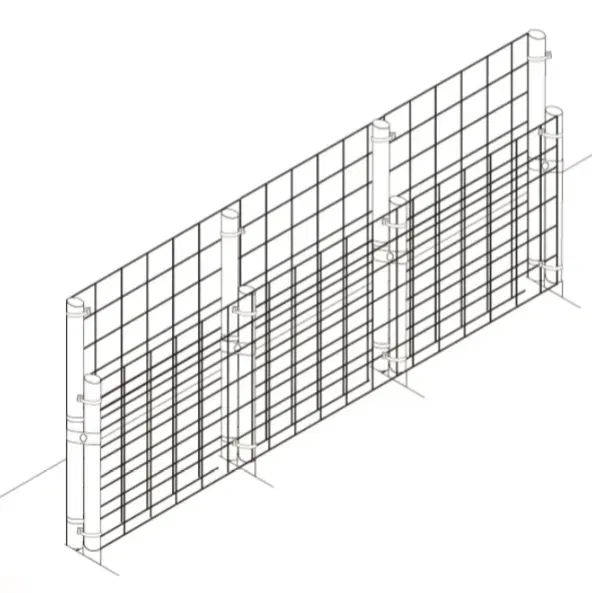
Available in different heights, lengths, and configurations, our all-metal Pet Playgrounds™ dog fence kits feature our best Critterfence metal fencing suspended from stronger, closer post spacing. These complete kits let you compare and configure different heights, lengths, opening sizes, and strengths. Add-ons include access gates, corner/end posts with bracing, and more.
Get Started ›New: Bitter Pro Infused Anti-Chew Poly Mesh
Our Bitter Pro Infused Anti-Chew dog fence is our standard poly mesh fencing, now infused with an additive called Bitter Pro (also called Spicy Pro) to deter chewing — another name for our patent-pending Bitterfence additive.
- Long-lasting effectiveness due to controlled release of active ingredients (approximately 10–15 years)
- EPA-registered ingredients to protect the article itself (the fence) from chewing
Even if a dog bites the poly once, they get dissuaded from biting again due to the highly bitter, spicy taste. Dogs know that spicy and bitter flavors are associated with unsafe foods in the wild — so they instinctively avoid bitter things.
Please note: this is a chew deterrent, not a guarantee. Some dogs can chew through chain-link fences!
Frequently Asked Questions About Our Dog Fence
Yes and no. Some pet owners have success with these systems, and some do not. They involve an underground wire placed around your property. When dogs get close, a collar shocks them. Some dogs will stay within the boundary; others (especially dogs with a prey drive) will run through the shock barrier.
No matter what, experts will tell you that electric dog fences are harmful to dogs and create serious behavior issues. Please consider other options first. At Pet Playgrounds™, we strongly believe in providing a safe play area for dogs to run free without shocking them. Even after removing the equipment, some dogs never fully recover — they continue to be skittish and triggered for the rest of their lives.
Understanding how dogs typically escape can help you choose a more effective containment strategy. The most common escape methods are:
- Climbing: Dogs are surprisingly good climbers, especially on chain-link fences where evenly spaced, stiff slots act like ladder rungs.
- Digging: Many dogs dig their way out, especially under chain-link, vinyl, or aluminum fences. A dog can easily create a hole and push up and under to escape.
- Squeezing through gaps: Small or agile dogs can wiggle through wide picket spacing or gaps in fencing.
- Jumping: Some dogs have an impressive vertical leap that clears fences that seem tall enough.
- Chewing: Dogs with strong jaws can chew through fences made from weaker materials like wood or vinyl.
- Opening gates: Intelligent dogs can learn to manipulate simple gate latches to find an easy route for escape.
By identifying how your dog is escaping, you can better tailor your fencing solution to address that specific behavior.
Understanding why your dog is trying to escape is crucial before investing in a fence. By observing their behavior closely during escape attempts, you can pinpoint the underlying cause:
- Loneliness: Dogs left alone outdoors for extended periods may escape to find companionship. Ensure they get enough indoor time and interaction.
- Boredom: High-energy dogs need more exercise and stimulation. A lack of physical activity leads them to seek ways out.
- Environmental attraction: If your dog smells or sees another animal or something intriguing outside, their natural curiosity may compel them to explore.
- Inadequate enclosure: A determined dog may not be stopped by an invisible fence. Physical barriers need to be tall and secure enough to prevent escapes.
By taking the time to understand your dog’s specific needs and behaviors, you can choose the most effective way to keep them safe and contained.
Ready to Get Started?
If you’re ready to install your own dig- and climb-resistant dog fence, get in touch today. Ask about our full range of kits, accessories, and more.